


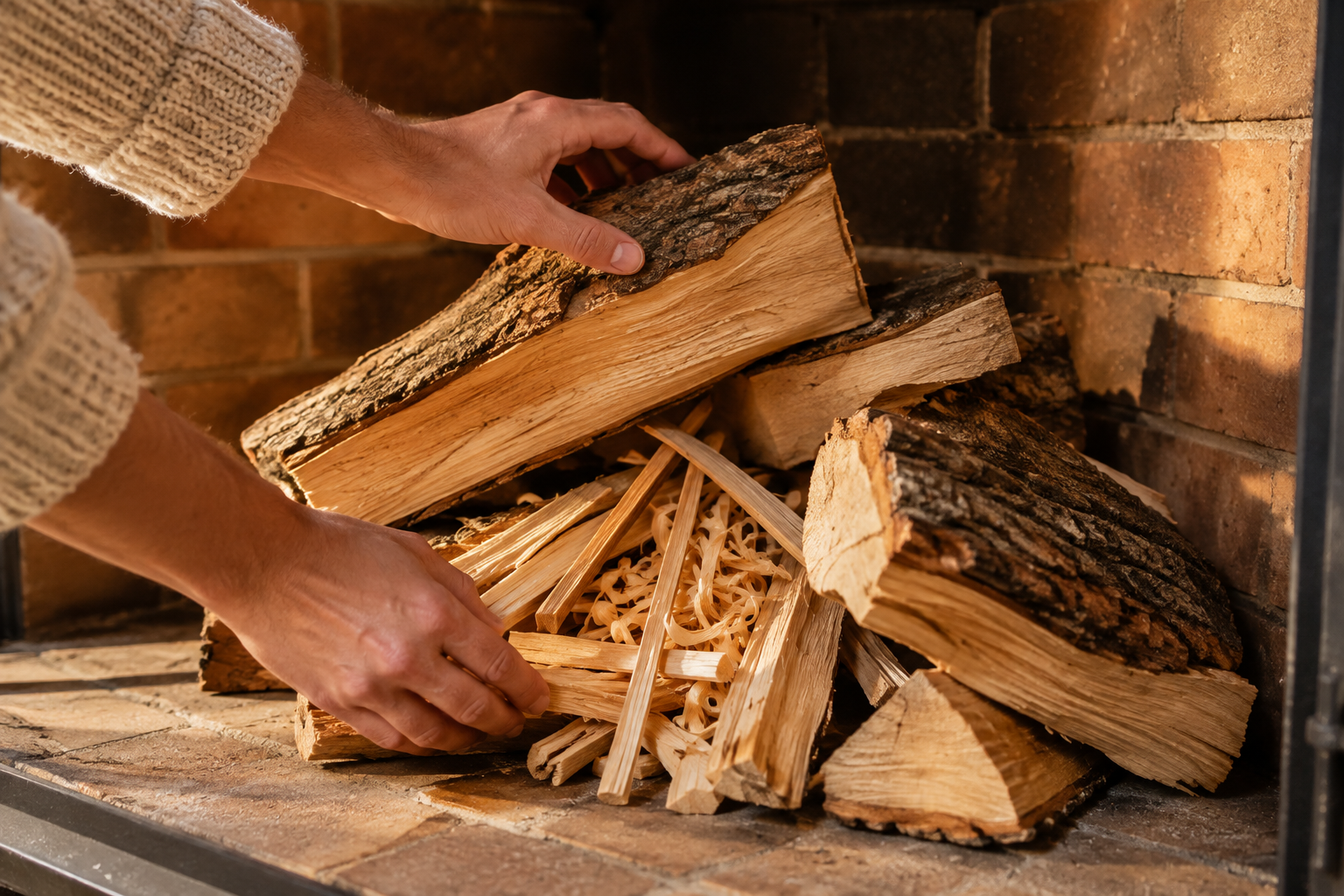
There's a particular kind of frustration in kneeling in front of a dead fire at half nine on a Tuesday, matches running low, patience running lower. The good news: it's almost never bad luck. A fire needs three things to keep going, heat, oxygen, and dry fuel, when one of those is missing, the whole thing gives up on you.
Nine times out of ten, it's the fuel. You can have perfect kindling and a strong draw up the chimney and still end up with a smoking, sulking heap if the logs underneath are wet or moist. Get the fuel and the airflow right, though, and the rest tends to sort itself out. Here's how.
Is Your Wood Actually Dry Enough to Burn?
Wet or unseasoned wood is the single biggest reason fires die out. Instead of burning, the heat gets spent boiling off the moisture trapped inside the log which is why damp wood hisses and spits rather than crackles.
“Seasoned” just means wood that's been left to dry out over time, usually six months to two years depending on the species and how it's stored. “Kiln-dried” skips the wait: the wood is dried in a kiln down to a low, consistent moisture content, so it lights faster and burns hotter from the first log.
You want moisture under about 20%. No meter handy? Listen for the hiss, check whether the cut ends look dark and damp, and look for cracking or splitting in the bar. Dry wood tends to split as it shrinks, wet wood doesn't. If a log fails all three, it's not ready, no matter how long it's been sitting in the shed.
How to Store Firewood So It Stays Dry
Even good, kiln-dried logs will pick up moisture again if they're left sitting on wet ground or under a leaky tarp. Stack them off the ground, keep them covered on top while leaving the sides open, and don't cram them in. Wood needs to breathe in storage, not just in the grate.
What's the Best Way to Lay a Fire?
A fire lights faster and stays lit longer when it's built to let air move through it, not piled into a heap and hoped for.
There are two common approaches. The traditional method puts kindling and firelighters at the bottom with logs stacked on top. The top-down method flips it, logs at the bottom, kindling and firelighters on top, so the fire burns downward. It sounds backwards, but it catches well and needs far less tending once it's going, which makes it the better choice for stoves or any evening you'd rather not spend kneeling in front of the fire every twenty minutes.
Kindling: Small, Dry, and Plenty of It
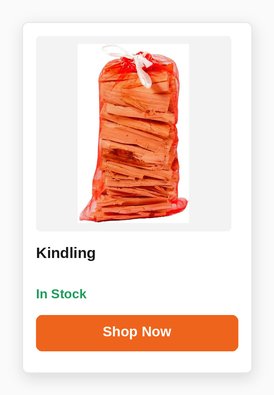
The most common mistake here isn't the method, it's not using enough kindling, or using pieces too thick to catch quickly. You want a proper handful of small, dry kindling, not three sticks and a wish.
How Much Air Does a Fire Actually Need?
Starve a fire of air and it smoulders rather than burns. Smother it too soon and you'll burn through your kindling before the logs ever catch.
On an open fire, that means not blocking the fireplace with logs stacked too tightly, and making sure the chimney has a decent draw. On a stove, it comes down to the air vent: open it fully to get the fire established, then throttle it back once you've got a solid bed of embers. Struggling with lots of smoke, a weak orange flame, or a fire that keeps dying back after a few minutes? then airflow is usually the culprit.
Should You Use Firelighters, or Just Kindling?
Firelighters aren't cheating. A decent one takes the guesswork out of building a strong base of heat before the bigger logs go on, especially useful on a night when the wood's slightly damper than you'd like, or the chimney draw isn't at its best.
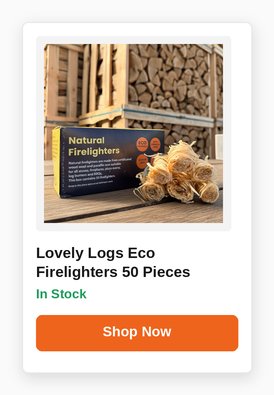
Natural firelighters are worth the extra few cent over the paraffin kind. No petrol smell and no black smoke while they catch. Two or three tucked under the kindling is usually plenty; you don't need to build a bonfire just to get started. Lovely Logs Eco Firelighter 50 Pieces is an excellent choice for a natural firelighter.
 |
 |
What Fuel Should You Add Once the Fire Is Established?
Once you've got a solid bed of embers, what you add next decides whether the fire holds steady all evening or burns out in an hour.
For an open fire, smokeless coal gives a longer, steadier burn than wood alone. For a stove, add logs gradually rather than loading the firebox all at once; overloading it just chokes the airflow you've been working to get right.
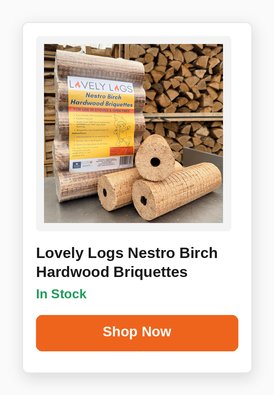
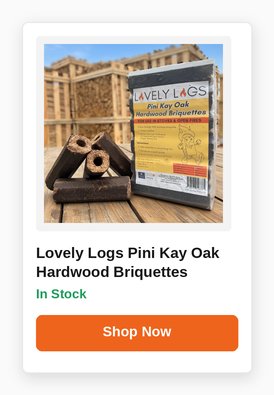
A lot of households mix kiln-dried logs with a smokeless fuel or wood briquettes for an overnight burn. Logs for the quick heat and something denser to hold the fire through the night.
 |
 |
Common Fire-Lighting Mistakes to Avoid
Most fires that won't stay lit come down to a handful of repeat offenders:
- Damp or unseasoned wood
- Not enough kindling, or kindling that's too thick
- Piling on big logs before the fire's properly established
- Blocked airflow. Ash buildup, closed vents, or logs packed too tightly
- Walking away before a proper bed of embers has formed
Fix the first one and most of the rest tend to fall away on their own.
Frequently Asked Questions
Why does my fire go out after 20 minutes?
Usually it's damp fuel, or logs added too early before a strong base of embers has had time to form. Give the kindling and firelighters longer to build heat before piling on.
What's the best wood to keep a fire going all evening?
Dense and dry hardwood either oak, ash or birch and ideally kiln-dried.
Do you need firelighters if you have good kindling?
Not strictly, but they give a more consistent start, especially on an open fire where the draw can vary from one night to the next.
How do I know if my firewood is too wet to burn?
It'll hiss, spit, or smoke heavily instead of catching properly. If you've a moisture meter to hand, anything over about 20% means it needs more time.


